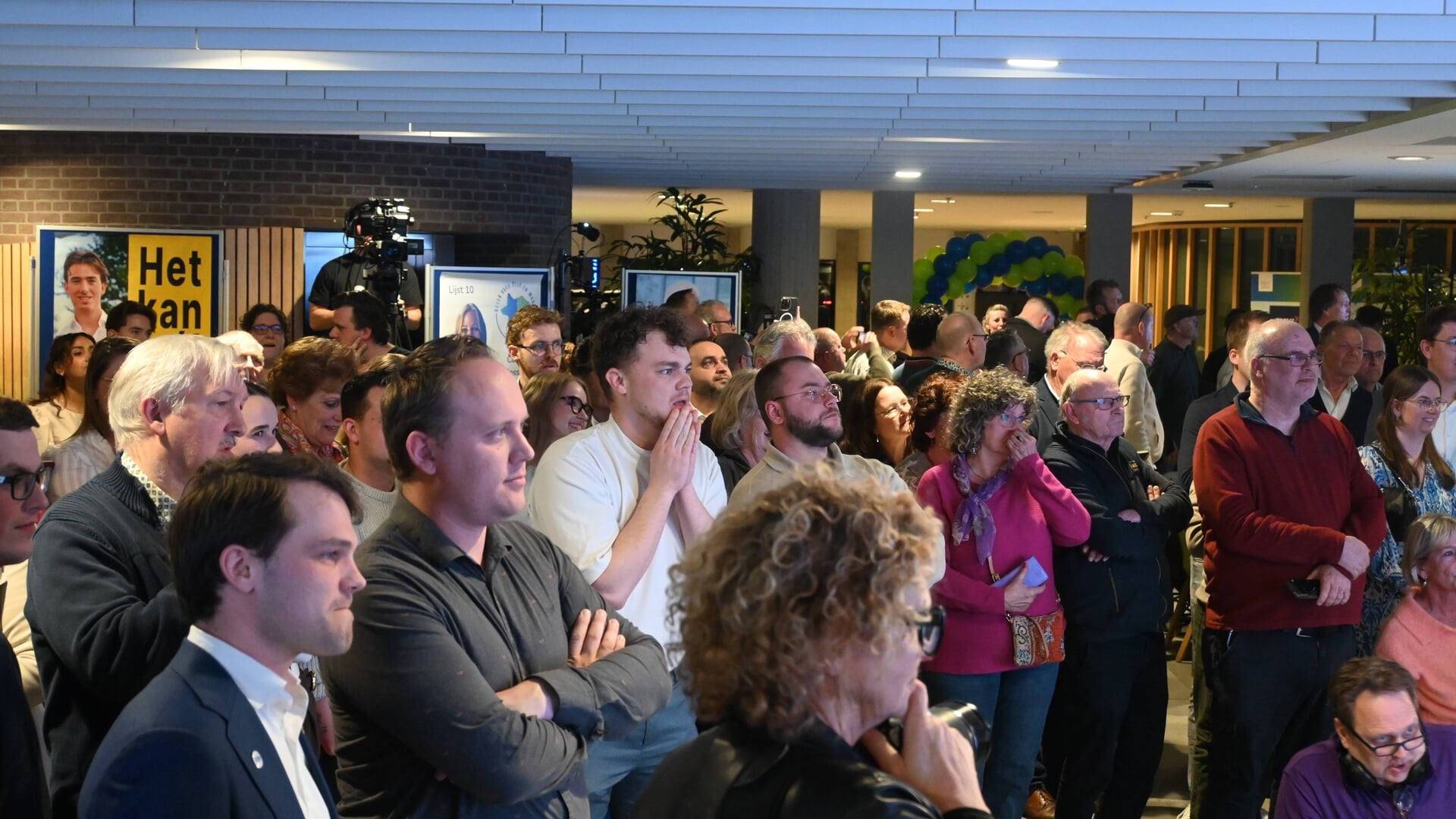
Dijk en Waard Election: When Red Pencils Steal the Spotlight on Voting Day
Election days are typically a culmination of political campaigning, voter turnout, and the anticipation of results. However, in the Dutch municipality of Dijk en Waard, a most unusual incident stole the headlines, shifting focus from political discourse to the very tools of democracy: the humble red pencil. On an important voting day, all 38 polling stations in Dijk en Waard found themselves in an unexpected predicament, leading to a mass replacement of red pencils. This seemingly minor issue underscores the intricate challenges of electoral logistics and the paramount importance of safeguarding every single vote, directly influencing the reliability of the
Uitslag Verkiezingen Dijk En Waard (Dijk en Waard Election Results).
The core of the problem was simple yet potentially profound: the red markings made by the initial batch of pencils faded far too quickly on the smooth, thin ballot paper. In an election where every mark represents a citizen's choice, a fading vote could lead to ambiguity, misinterpretation, or even invalidation, thereby jeopardizing the integrity of the electoral outcome. This article delves into the specifics of this peculiar incident, the swift response by the municipality, and its broader implications for electoral integrity, not just for Dijk en Waard but for democratic processes everywhere.
The Curious Case of Fading Red Pencils in Dijk en Waard
Imagine stepping into a polling booth, carefully marking your choice with the traditional red pencil, only for that mark to become barely visible minutes later. This was the precise scenario that unfolded across Dijk en Waard’s 38 polling stations. As reports of the issue surfaced, the municipality acted decisively, replacing all problematic red pencils. This swift action was crucial to prevent a widespread crisis of confidence and to ensure that every vote cast could be accurately counted.
The use of red pencils in Dutch elections is a long-standing tradition, valued for its clear visibility against the white ballot paper and its non-erasable nature, which helps prevent fraud. However, the unexpected rapid fading presented a unique challenge. The municipality confirmed that extraordinary caution was exercised with all already-filled ballot papers to ensure no legitimate votes were lost. This incident highlights the often-overlooked logistical complexities behind election day operations. From securing polling station venues to ensuring adequate staff and, indeed, providing functional writing instruments, each detail contributes to the smooth functioning of democracy.
Interestingly, the national Electoral Council (Kiesraad) noted that while problems with pencils are not uncommon across various municipalities, Dijk en Waard was the only one reporting this specific issue of rapid fading. This uniqueness can be attributed to the decentralized procurement of election materials; each municipality is responsible for sourcing its own pencils. This means there's no national standard for the type or quality of pencil used, leading to variations that can, as seen here, have unforeseen consequences. The ballot paper itself, however, is standardized nationwide – smooth and thin, which can make it challenging for certain pencil types to make a clear, lasting mark. The episode in Dijk en Waard serves as a stark reminder that even the smallest, most seemingly insignificant detail, like a pencil's pigment, can have significant ramifications for the perceived fairness and accuracy of the
Uitslag Verkiezingen Dijk En Waard. For more insights into this isolated occurrence, read
Dijk en Waard Only Municipality Facing Election Pencil Issues.
Safeguarding the Vote: Measures Taken and Lessons Learned
The immediate response from the Dijk en Waard municipality was commendable. The decision to replace all red pencils across its 38 polling stations demonstrated a proactive commitment to electoral integrity. This rapid logistical operation, executed on the very day of the election, minimized potential disruption and maintained voter confidence. Furthermore, the pledge to handle already-filled ballot papers with "extra caution" was vital. This likely involved manual verification or special scanning procedures to ensure that faintly marked votes were not erroneously discarded.
This incident offers valuable lessons for all municipalities involved in organizing elections. First, it underscores the importance of thorough pre-election testing of all materials. While bulk purchasing might be cost-effective, ensuring the compatibility of writing instruments with ballot paper is paramount. Municipalities could consider:
*
Standardized Procurement Guidelines: Implementing national or regional guidelines for the quality and type of electoral pencils.
*
Pre-Election Trials: Conducting small-scale tests of materials on dummy ballots under various conditions.
*
Emergency Protocols: Having clear, well-rehearsed contingency plans for unforeseen material failures.
*
Voter Education: Informing voters about the chosen marking methods and encouraging clear, firm marks.
The transparency with which Dijk en Waard handled the issue also plays a crucial role in maintaining public trust. Acknowledging the problem and detailing the steps taken to rectify it reassured voters that their voices would indeed be heard and counted accurately in the
Uitslag Verkiezingen Dijk En Waard. This level of openness is a cornerstone of democratic accountability. For a deeper dive into the specific challenges faced, refer to
Fading Red Pencils: Dijk en Waard's Unique Election Day Problem.
Beyond the Pencils: Understanding the Broader Election Landscape
While the red pencil saga was a local distraction in Dijk en Waard, it unfolded against the backdrop of municipal elections across the Netherlands, characterized by a fascinating trend: nearly every political party claimed some form of victory. This phenomenon highlights the diverse metrics used by parties to define success in a multi-faceted electoral landscape.
For example, Forum voor Democratie (FvD) celebrated a substantial increase from 55 to 299 seats, declaring themselves "stronger represented than ever before." The CDA, with 1110 seats, boasted the "most council seats in the Netherlands," positioning itself as the largest local party. GroenLinks-PvdA, by tallying total votes, claimed to be "the largest party," expanding its dominance from 8 to 42 municipalities compared to the previous national elections. Even parties like the Partij voor de Dieren, which saw a reduction in total seats, found solace in being represented in a greater number of municipalities. BBB, participating for the first time in municipal elections in 28 municipalities, secured seats in 19, affirming their vitality. D66 celebrated gaining 57 seats and 100,000 more votes nationally, while JA21 saw themselves gaining "foothold" and potential for local governance.
Even those who had "hoped for a different outcome," like the ChristenUnie's Mirjam Bikker, found "courage" in modest vote gains compared to previous elections. Similarly, the SP's Jimmy Dijk noted a "significant percentage gain" despite losing 65 seats in practice. This complex tapestry of claims underscores that local elections often operate on different dynamics than national ones, with over a third of voters opting for non-national parties. In the grand scheme, 8552 municipal council seats were contested, with an additional 100 seats added nationwide due to population growth. The accurate determination of the
Uitslag Verkiezingen Dijk En Waard, despite local material hiccups, feeds into this larger, often self-congratulatory, national narrative of democratic engagement and party performance.
Analyzing the Impact on Voter Confidence and Future Elections
An incident like the fading red pencils, while resolved swiftly, inevitably raises questions about voter confidence. When the basic tools of voting are compromised, even momentarily, it can sow seeds of doubt about the overall integrity of the election process. For citizens in Dijk en Waard, knowing that their municipality took immediate and transparent action was crucial for maintaining trust in the ultimate
Uitslag Verkiezingen Dijk En Waard.
However, beyond the immediate fix, there are broader implications for how elections are managed nationwide. The lesson from Dijk en Waard is not just about pencils, but about the critical importance of standardization and rigorous quality control for all election materials. Moving forward, electoral bodies might consider:
*
Centralized Procurement: Exploring options for a more centralized or at least highly standardized procurement process for critical election supplies like pencils and ballot paper.
*
Technology Integration: While traditional methods like paper ballots offer tangible security, advancements in electronic voting or scanning technologies could be explored, albeit with careful consideration of security and accessibility.
*
Public Awareness Campaigns: Educating voters on the security measures in place, how issues are addressed, and the steps taken to ensure their vote counts.
The transparency demonstrated by Dijk en Waard is a vital component of democratic resilience. By openly addressing the problem, they reinforced the message that electoral integrity is paramount, even in the face of unexpected logistical challenges. This commitment is essential for ensuring that every election, whether national or municipal, is perceived as fair, free, and accurately reflective of the people's will.
Conclusion
The incident involving fading red pencils on election day in Dijk en Waard serves as a unique reminder of the delicate and detailed nature of democratic processes. While seemingly trivial, such issues can have a significant impact on voter confidence and the perceived legitimacy of election outcomes. The swift and decisive action taken by the municipality to replace all affected pencils, coupled with their commitment to handling already-cast ballots with extreme care, was instrumental in safeguarding the integrity of the
Uitslag Verkiezingen Dijk En Waard. This event, though localized, highlights the universal challenges of election logistics and the unwavering importance of robust procedures and transparent communication. Ultimately, it reinforces the principle that every vote counts, and every effort must be made to ensure that each citizen's mark truly leaves an indelible impression on the future.