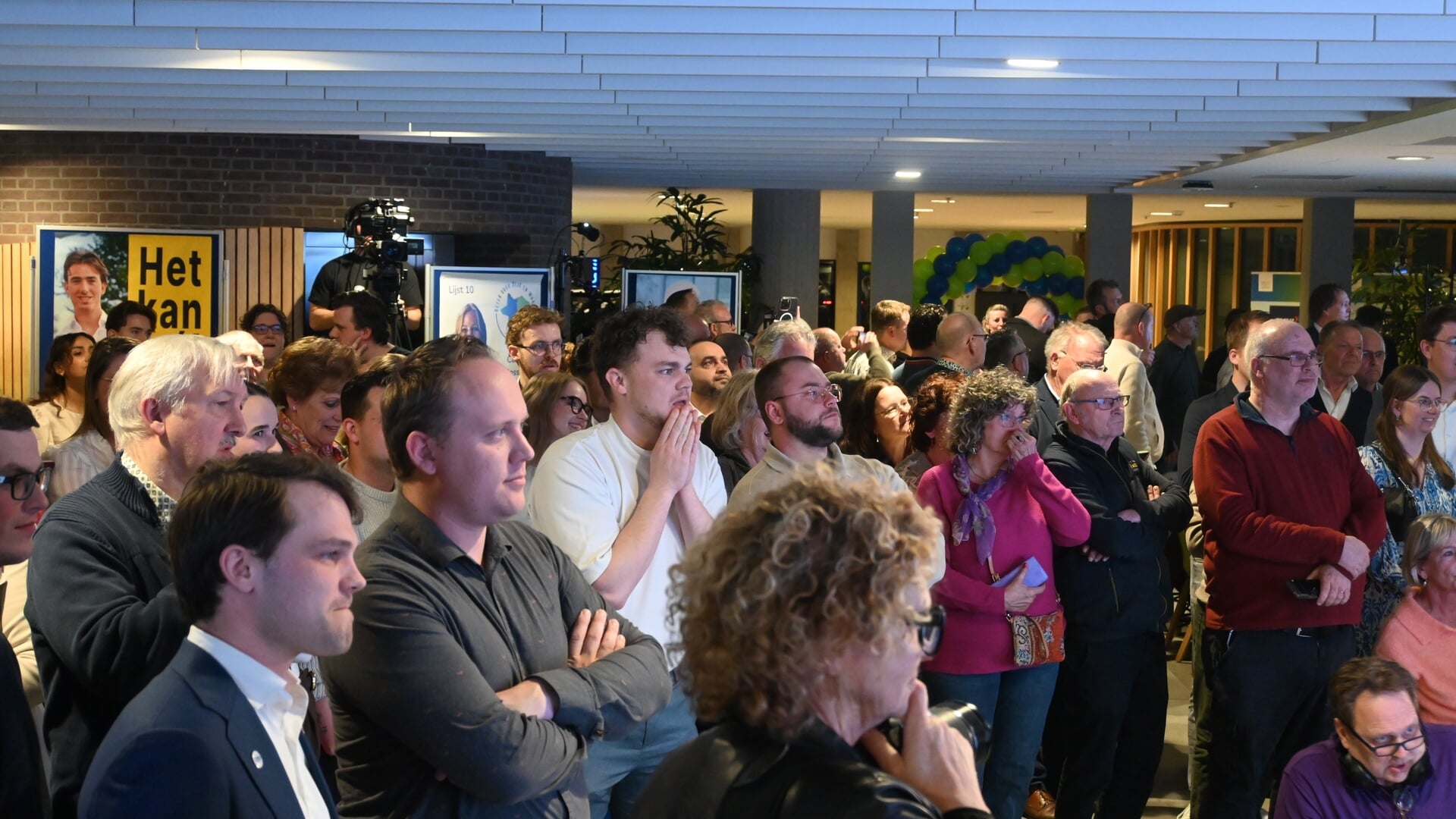
Dijk en Waard Stands Alone: A Unique Electoral Challenge
The recent municipal elections across the Netherlands brought to light a curious and concerning logistical hiccup in one particular municipality: Dijk en Waard. While electoral processes are often complex, involving myriad details from ballot design to voter registration, it was a seemingly simple item – the humble red pencil – that propelled Dijk en Waard into the national spotlight. The municipality found itself in the unique position of being the only one nationwide to face a widespread issue with its voting pencils, a situation that undoubtedly cast a shadow over the immediate Dijk en Waard Election: All Red Pencils Replaced on Voting Day. This unprecedented problem, where the red pigment of the pencils used to mark ballots proved too prone to fading, required swift and comprehensive action across all 38 of its polling stations. The integrity of the vote, and by extension, the reliability of the Uitslag Verkiezingen Dijk En Waard (Election Results Dijk En Waard), became a central concern, underscoring the critical importance of even the smallest details in a democratic exercise.
The Unprecedented Pencil Predicament in Dijk en Waard
On election morning, officials in Dijk en Waard discovered a critical flaw: the red pencils provided for marking ballots were not fit for purpose. The pigment, essential for voters to clearly indicate their chosen candidate or party, faded too quickly, threatening to invalidate countless votes. This was not a minor, isolated incident; the problem affected all 38 voting bureaus within the municipality, leading to an urgent recall and replacement operation. Election staff had to swiftly replace all the problematic pencils with new, reliable ones, a significant logistical undertaking that highlighted the vulnerability of election procedures.
What makes Dijk en Waard's situation particularly noteworthy is the statement from the Kiesraad, the Dutch Electoral Council. They confirmed that Dijk en Waard was the *only* municipality to report such a widespread and systemic issue with fading pencils. While the Kiesraad acknowledged that minor problems with pencils are not uncommon during elections – perhaps a broken tip or a missing pencil – a municipality-wide defect of this nature was truly exceptional. This distinction places Dijk en Waard in a unique category, drawing national attention to the intricacies of local election management and the potential for unexpected challenges to emerge.
The implications of this issue extended beyond mere inconvenience. The fading ink raised serious questions about the legibility and validity of ballots already cast. Each mark made by a voter is a crucial expression of democratic will, and any compromise to its clarity could lead to disputes or even disenfranchisement. The municipality had to act with extreme caution regarding the already-filled ballot forms, ensuring that every effort was made to preserve the integrity of the votes already cast. This delicate balancing act between rectifying a logistical error and safeguarding electoral fairness is a testament to the pressures faced by election officials on voting day. The unique nature of the problem in Dijk en Waard further emphasizes the need for robust quality control checks for all election materials, however seemingly trivial.
For more details on the immediate response to this situation, you can read about the Fading Red Pencils: Dijk en Waard's Unique Election Day Problem.
Ensuring Fair Results Amidst Logistical Hurdles
The integrity of the Uitslag Verkiezingen Dijk En Waard hinged on how the municipality managed the crisis. With ballots already cast using the faulty pencils, the administration faced a critical challenge: how to handle these votes to prevent their loss. The official response involved treating these already-filled forms with "extra caution." This likely entailed meticulous manual verification, potentially using specific lighting or magnification to discern faint marks, ensuring no legitimate vote was discarded due to the pencil defect. This diligent approach is crucial for maintaining public trust in the electoral process, especially when unforeseen problems arise.
A key insight into the Dutch electoral system that emerged from this incident is the decentralized nature of material procurement. While the ballot paper itself is standardized nationwide – described as smooth and thin, which can make some pencils difficult to use effectively – each municipality is responsible for sourcing its own pencils. This autonomy allows for local flexibility but also introduces variability in the quality and suitability of election materials. The Dijk en Waard case serves as a stark reminder that this decentralized procurement model, while efficient in some respects, carries inherent risks related to consistency and quality control. It prompts a discussion about whether a more centralized approach to sourcing critical election materials, or at least stricter guidelines and quality checks, would be beneficial to prevent similar occurrences in the future.
The logistical hurdles in Dijk en Waard highlight the complex interplay between local autonomy and national standards in election administration. For voters in Dijk en Waard, the pencil issue could have easily sown seeds of doubt regarding the fairness and accuracy of the results. Therefore, the transparent and careful handling of the situation was paramount. Ensuring every voice is counted, even under challenging circumstances, is the bedrock of democratic legitimacy, making the efforts of Dijk en Waard's election officials particularly commendable.
A Broader Look at Local Election Outcomes: Claims and Realities
While Dijk en Waard grappled with its unique pencil problem, the wider landscape of the municipal elections across the Netherlands presented its own fascinating dynamics. One of the most striking observations was the phenomenon of nearly every political party claiming some form of victory post-election. This collective declaration of success, often based on diverse metrics, paints a complex picture of political messaging and strategic interpretation of results.
For instance, the Forum voor Democratie (FvD) proudly announced a significant leap from 55 to 299 seats, positioning themselves as "more strongly represented than ever before." Similarly, the Christen Democratisch Appèl (CDA) asserted its dominance with 1110 seats, proclaiming itself the party with "the most council seats in the Netherlands" and the largest local party. GroenLinks-PvdA, through leader Jesse Klaver, claimed to have become "the largest party" by tallying the total number of votes nationwide, noting a substantial increase in municipalities where they emerged as the strongest party, from 8 to 42 compared to the previous national elections.
Other parties also found reasons to celebrate. The Partij voor de Dieren, despite securing fewer seats overall than in previous municipal elections, highlighted its increased representation in more municipalities – a victory in terms of broader geographical reach. The BoerBurgerBeweging (BBB), participating in municipal elections for the first time, achieved notable success by gaining council seats in 19 out of the 28 municipalities where they competed, confirming to founder Caroline van der Plas that "voters have confirmed that BBB is alive and well." D66 reported a gain of 57 seats nationwide and an impressive 100,000 more votes than in the last municipal elections, signaling growing support. JA21 optimistically claimed to have "gained a foothold" in various municipalities, with Joost Eerdmans expressing hopes for local co-governance.
Not all claims were about outright gains. Mirjam Bikker of the ChristenUnie candidly admitted her party "had hoped for a different outcome," as they lost seats in some municipal councils. However, she found "courage" in the fact that they still saw a "gain in votes compared to the previous elections." The Socialistische Partij (SP) leader Jimmy Dijk also interpreted the results hopefully, citing a "significant percentage gain" compared to the national elections in October, even though the party practically lost 65 seats. These varied interpretations underscore the strategic nature of political communication post-election, where narratives are carefully crafted to mobilize supporters and maintain momentum, regardless of the granular details of the Uitslag Verkiezingen Dijk En Waard or any other local outcome.
Understanding the Dynamics of Local Politics and Voter Behaviour
Beyond the individual party claims, the recent municipal elections offered several overarching insights into Dutch local politics. A significant trend highlighted was the strength of non-national parties. In most municipalities, it was a local, independent party that emerged as the largest, indicating a strong preference among more than one-third of voters for locally focused representation over national political affiliations. This emphasis on localism speaks to a desire for politicians who are deeply entrenched in community issues and who can directly address the specific needs and concerns of their residents.
The elections also saw an increase of 100 municipal council seats nationwide. This expansion is a direct consequence of population growth, as the size of municipal councils is designed to evolve proportionally with the local populace. This ensures that representation remains balanced and councils can effectively manage the increasing administrative burden and diverse needs of a growing community.
For voters, understanding the different metrics parties use to claim victory is crucial. Is it absolute seat gain, proportional vote share, or becoming the largest party in a specific number of municipalities? These varying benchmarks provide different lenses through which to interpret election success. For municipalities, the Dijk en Waard incident offers a valuable lesson in logistical preparedness and the critical need for rigorous quality checks on all election materials, no matter how minor they may seem. It underscores the importance of a resilient and adaptable electoral system that can handle unforeseen challenges while upholding the democratic rights of its citizens. The Uitslag Verkiezingen Dijk En Waard, despite its unique logistical backdrop, ultimately contributed to this rich tapestry of local democratic outcomes.
In conclusion, the municipal elections were a vivid demonstration of the vibrant and complex nature of Dutch local democracy. While Dijk en Waard's battle with fading red pencils served as a peculiar reminder of the often-unseen logistical challenges inherent in elections, it also highlighted the dedication of electoral officials to safeguard every vote. Simultaneously, the nationwide post-election claims of victory, diverse voter behaviors, and the growing influence of local parties collectively painted a picture of a dynamic political landscape. Each municipality, including Dijk en Waard, contributes to the overall democratic health of the nation, and their individual stories – whether of logistical triumphs or challenges – offer invaluable lessons for future electoral processes and for strengthening citizen trust in the announced Uitslag Verkiezingen Dijk En Waard and beyond.